

Public Transport Access Compared
Both Punggol and Sengkang have MRT lines. Here's how they stack up on connectivity, station distance, and travel times to the city centre.
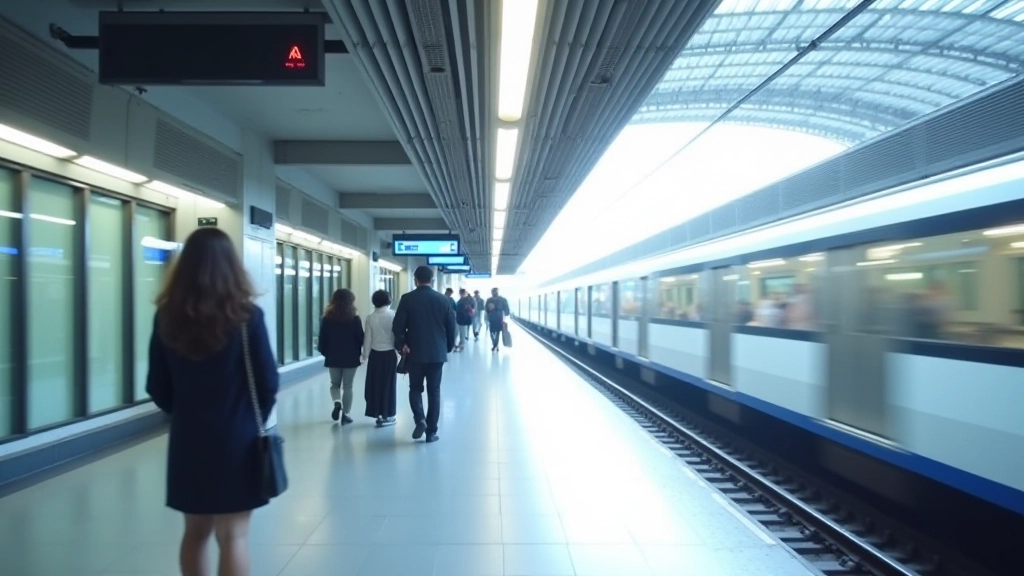

Punggol's Transport Network
Punggol's got the Punggol LRT line running through it, which connects to the East-West MRT line at Punggol Station. It's not the oldest system in Singapore, but it's fairly modern and the trains aren't usually overcrowded during off-peak hours.
Most Punggol residents are within walking distance of a station. The LRT runs from Punggol to Sengkang with stops in between. Travel time to Marina Bay is roughly 35-40 minutes depending on which part of Punggol you're in. The earlier stops (like Summerside) are closer to the main MRT interchange, so you'll save about 5 minutes.
One thing that's useful: the Punggol East station is fairly new and has modern facilities. Escalators work properly most of the time, and there's actual seating at the station. The bus routes here are decent too — you've got direct routes to Orchard and Marina Bay that take about 40-45 minutes without traffic.
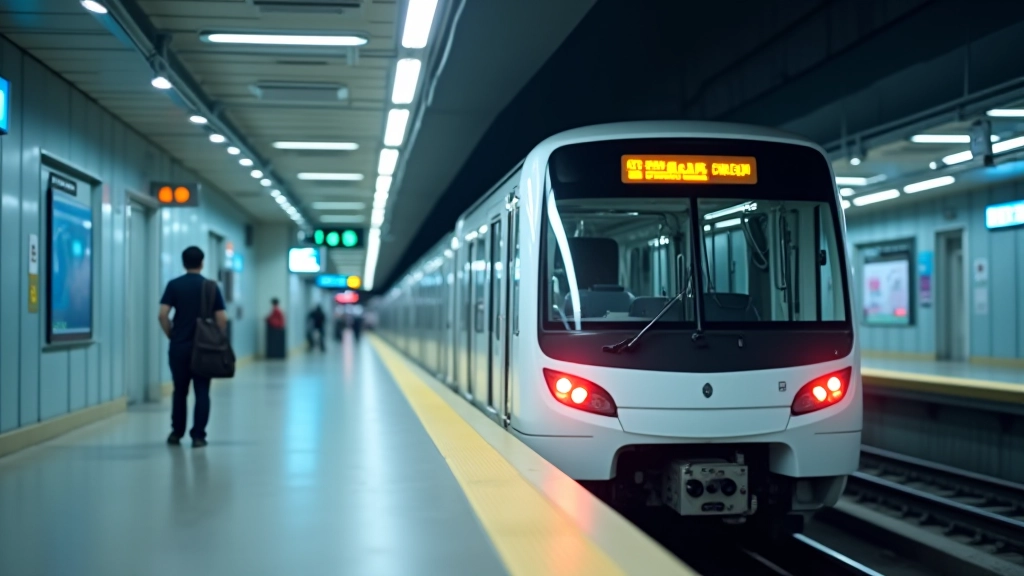

Sengkang's Connectivity
Sengkang's got both the Sengkang LRT and the North-East MRT line. That's actually a huge advantage because you've got more options. If one line has delays, you can usually switch to the other. It's not common, but it happens, and having a backup is reassuring.
The North-East line goes directly to Dhoby Ghaut (near Orchard), so getting to shopping areas is faster. Travel time to Marina Bay is about 30-35 minutes from central Sengkang. Some areas near Sengkang station are even closer — you're looking at under 30 minutes. That's a real difference compared to Punggol's 35-40 minute range.
Sengkang's stations tend to be busier during rush hour, but they're well-maintained. The LRT and MRT interchange at Sengkang station is efficient. You won't be standing in long queues for tickets or tapping your card. Bus routes here are more extensive — direct connections to more neighbourhoods. We're talking about 8-10 different bus services compared to Punggol's 5-6.
Key Differences You Should Know
MRT Lines
Punggol: East-West Line via Punggol Station, plus LRT system. Sengkang: North-East Line direct to city, plus LRT system. Sengkang's got more redundancy.
Travel Time to CBD
Punggol: 35-40 minutes. Sengkang: 30-35 minutes. Not massive, but over a year of commuting it adds up.
Station Proximity
Punggol: Most areas within 800m. Sengkang: Most areas within 700m. Sengkang residents walk slightly less on average.
Bus Routes
Punggol: 5-6 major routes. Sengkang: 8-10 major routes. More options means better backup if you miss a bus.
Rush Hour Crowds
Punggol: Moderate crowding. Sengkang: Higher crowding, especially on North-East Line. Depends on your tolerance for packed trains.
Fare Difference
Punggol: Zone 4-5 pricing. Sengkang: Zone 4-5 pricing. No real difference in cost — both are equally priced.

What This Means for You
If you're working in the CBD or going to university near Marina Bay, Sengkang saves you time. We're talking 5-10 minutes each way. That's roughly 50 minutes a week, or about 40 hours a year. That's a full work day saved annually just from shorter commutes.
Punggol's advantage is quieter trains during off-peak hours. If you work flexible hours or from home most days, you'll appreciate the less crowded commute. The newer stations also mean better facilities — working escalators, cleaner bathrooms, decent seating.
Sengkang's got better redundancy. Two MRT lines mean if there's a service disruption on one, you've got an alternative. That's peace of mind if you've got important meetings or appointments.
The Bottom Line
Sengkang edges out Punggol on public transport accessibility. The North-East Line direct to the CBD cuts 5-10 minutes off your commute, you've got more bus routes, and you've got backup if one line has issues. It's not a huge difference, but for daily commuters, it adds up.
That said, Punggol's catching up. The newer stations are really well-designed, the LRT is reliable, and if you're not commuting to the city centre daily, the difference doesn't matter as much. Both neighbourhoods are genuinely well-connected compared to many other areas in Singapore.
Your choice comes down to how much commute time matters to you versus other factors like cost, flat sizes, or proximity to shopping. We've got more detailed guides on those topics too if you want to compare other aspects.
Disclaimer
This article provides general information about public transport accessibility in Punggol and Sengkang based on publicly available data and typical travel patterns as of May 2026. Travel times, service routes, and station facilities may change. Always check official LRT/MRT websites or the Journey Planner for current schedules and routes. This information is educational and not meant to replace official transport authority resources.
Explore More Comparisons