
Flat Types and Sizes in Punggol
Overview of 2-room, 3-room, and 4-room flats available. What you're likely to find and typical layouts.
Sengkang has malls, wet markets, and food centres. We'll break down what's where and how accessible it really is.
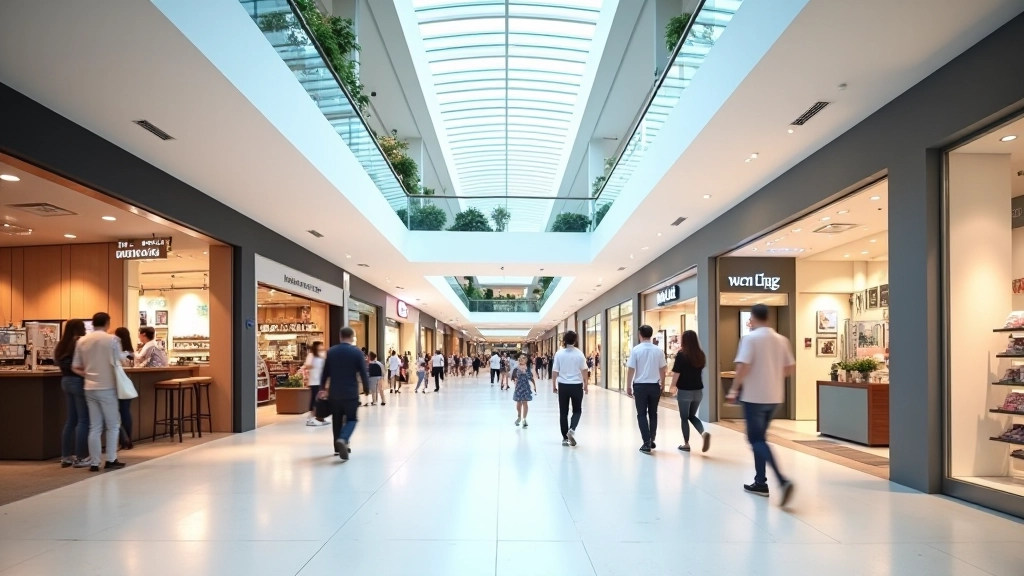

Here's the thing: where you can shop and eat shapes your daily life way more than you'd expect. It's not just about having options—it's about convenience, variety, and whether you'll actually enjoy living somewhere. Sengkang's got quite a bit to offer, but we're going to look at it honestly. What's actually nearby? How long does it really take to get there? Are the prices reasonable?
We've spent time mapping out the neighbourhood, and the picture's pretty clear. Sengkang has transformed over the past decade. The retail landscape isn't what it was five years ago—new malls opened, hawker centres got renovated, and wet markets remain surprisingly active. But like any neighbourhood, some areas are more convenient than others.
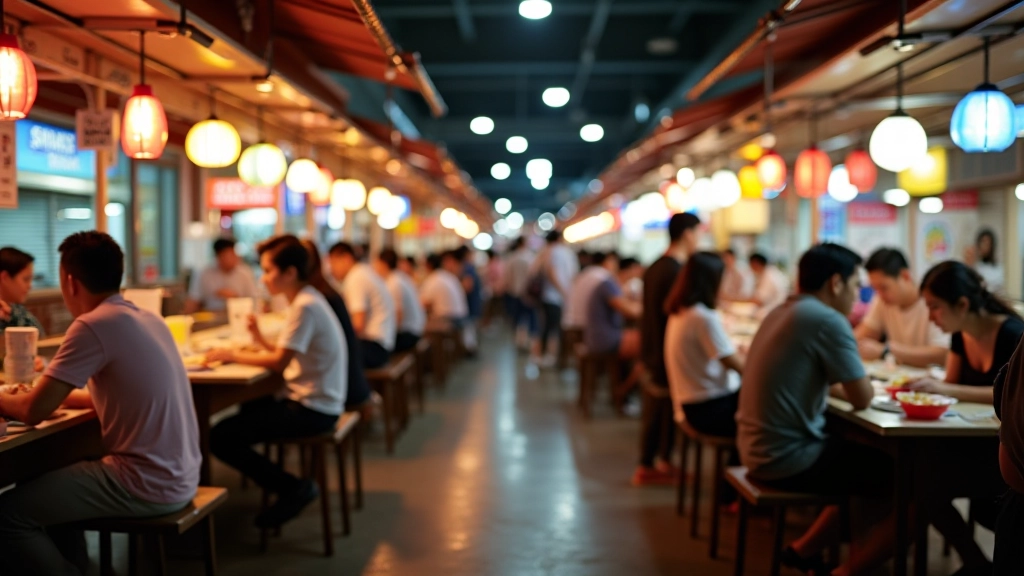
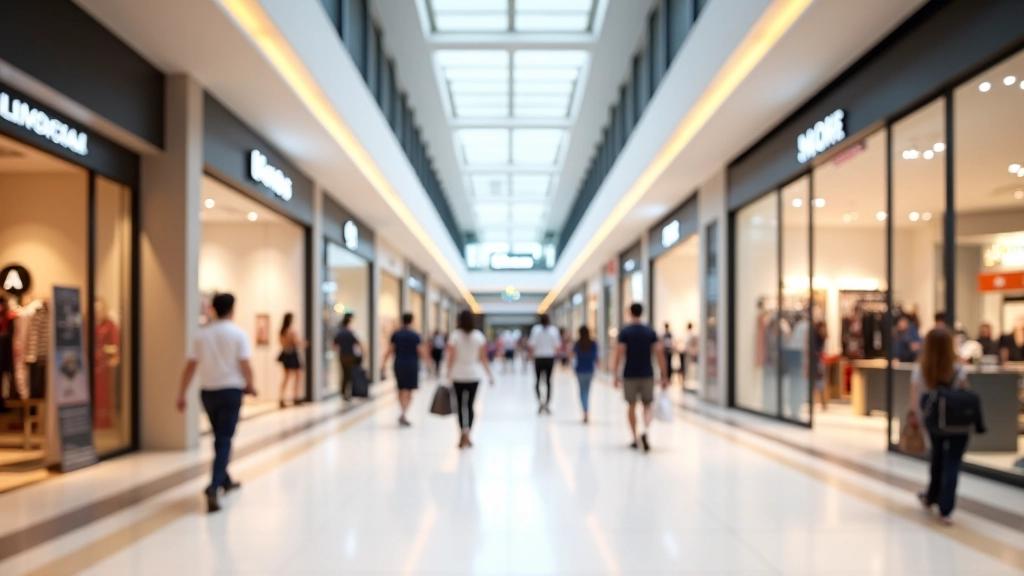
Sengkang's got three main malls worth knowing about. Sengkang Grand is the biggest—opened in 2021, it's got 230 stores spread across five levels. You'll find everything from fashion to electronics, plus a Carrefour supermarket. The food court's decent too, with around 15 stalls serving local and Asian cuisines. Walking distance from the MRT, which helps.
Then there's Punggol Plaza on the eastern side. Smaller than Grand, but it's got what you actually need—a NTUC FairPrice supermarket, a cinema, and a reasonable selection of shops. Less crowded, which some people prefer. And Sengkang Sports and Community Centre isn't a traditional mall, but it houses retail units and a food court that locals rely on.
230+ stores, 5 levels, supermarket, food court. Opened 2021. Busiest mall in the area.
NTUC supermarket, cinema, specialty shops. Less crowded option on the eastern side.
Multiple food courts with 15-20 stalls each. Local cuisines, affordable pricing.
Sengkang's got five major hawker centres, and honestly they're pretty good. Sengkang Market is the most established—been around since 2003. You'll find everything: laksa, chicken rice, nasi lemak, prawn mee, even Indian curries. Most stalls charge between SGD 3.50 and SGD 5 per plate. It's always busy during lunch hours (11:30 AM to 1:30 PM) and dinner (6 PM to 8 PM), so arrive early if you don't like crowds.
What's useful is that hawker centres are spread across the neighbourhood. You won't need to travel far. Buangkok Green Hawker Centre caters more to the eastern residents. Sengkang East Food Centre serves the new HDB blocks. This distribution means wherever you live in Sengkang, there's usually a hawker centre within a 10-minute walk. Don't expect fancy—but you'll get authentic, affordable food made fresh.
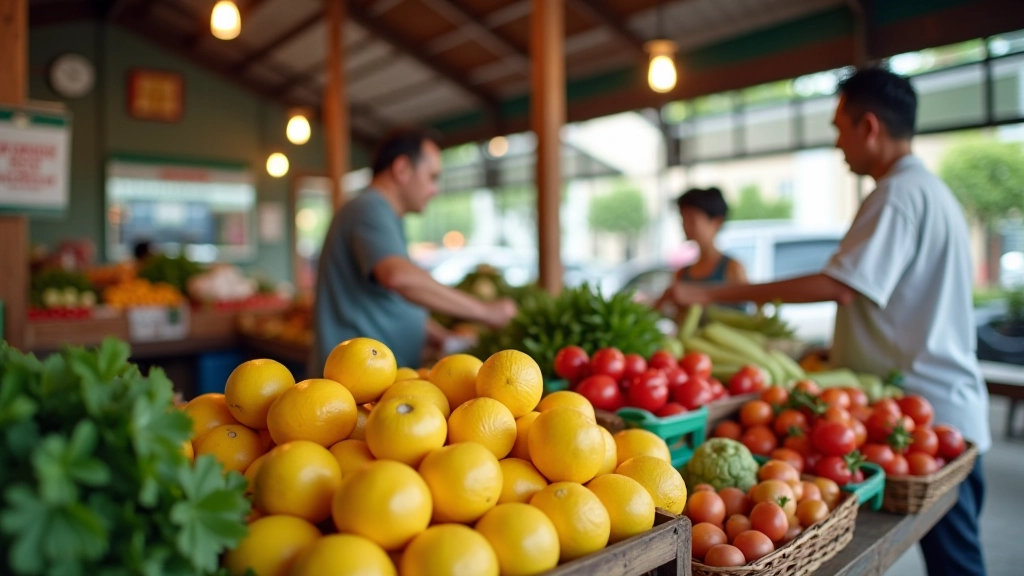
Wet markets aren't dead in Sengkang—they're still relevant. Sengkang Market complex includes a wet market section with fresh vegetables, meat, and seafood. Prices are competitive, sometimes cheaper than supermarkets if you know where to look. The produce quality's decent, and vendors will help you select what you need. It's busier in the early morning (6 AM to 9 AM) when older residents shop, but you can still find good stock throughout the day.
For supermarkets, you've got NTUC FairPrice at multiple locations—Sengkang Grand, Punggol Plaza, and standalone stores. Also Carrefour at Sengkang Grand. We're not talking about specialty organic stores here; these are your everyday groceries. Prices are standard for Singapore. The advantage is convenience—most residents are within walking distance of at least one supermarket. Parking's available at the malls if you're driving.

This guide provides general information about shopping and dining options in Sengkang as of June 2026. Store locations, opening hours, and pricing may change. We recommend verifying current details directly with retailers or through official websites before visiting. Personal preferences for dining and shopping vary—what works for one person may not suit another. Consider visiting during different times to get a full sense of the area.
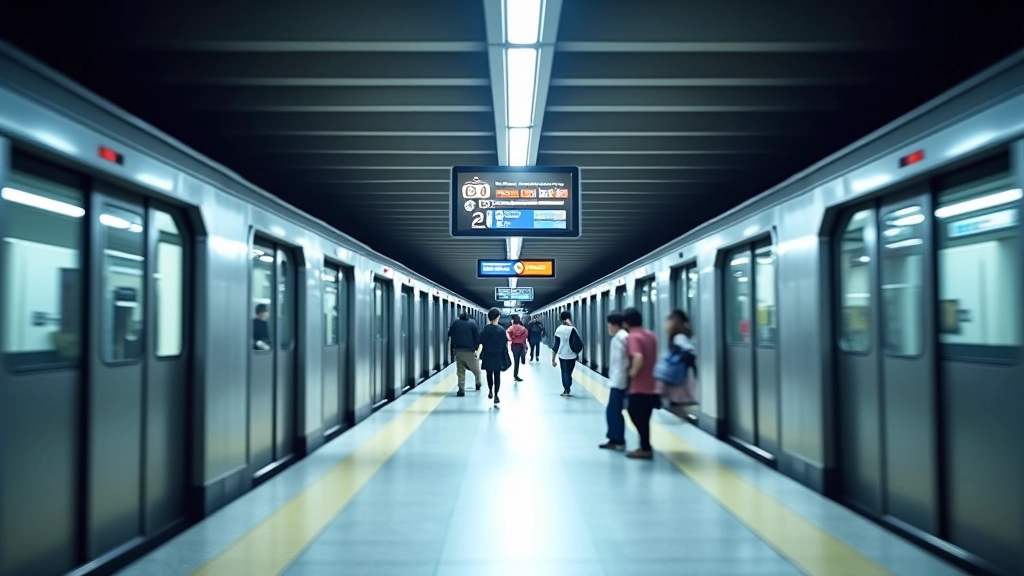
This matters more than you think. Sengkang MRT station is central to the neighbourhood, and most shopping areas are within 10-15 minutes walk from there. Sengkang Grand is literally next to the station. If you're driving, parking's available at all major malls, though it can get tight during weekends. Bus routes connect to other parts of Sengkang too—Routes 101, 103, and 105 serve different areas.
Here's what you need to know: if you live near Sengkang MRT, you've got good access to shopping. If you're in the eastern blocks further from the station, a bus ride or short taxi/Grab trip is normal. Most people don't see this as a big issue—it's still convenient compared to other neighbourhoods. The infrastructure's well-developed, and you won't feel isolated.
Sengkang's shopping and dining scene is solid. You're not going to have trouble finding what you need. The malls are modern, the hawker centres are reliable, and wet markets still serve a purpose. Prices are competitive. Access is reasonable—especially if you're near the MRT station.
The question isn't whether Sengkang has shopping options. It does. The real question is whether the distribution matches where you'll be living. If your HDB block is close to Sengkang Grand or a hawker centre, you're set. If you're further out, you'll need to factor in a short walk or bus ride. That's normal for Singapore neighbourhoods. When comparing Sengkang to Punggol, remember this: Sengkang's retail development happened first, so the options feel more established. Both neighbourhoods have adequate shopping and dining—your choice depends on other factors like transport links, school proximity, and housing types available.
Read other neighbourhood guides to make an informed decision between Sengkang and Punggol.
View All Comparisons